


Finding mould on your walls can be unpleasant and worrying. As well as affecting the appearance and smell of your home, mould growth can indicate an underlying moisture problem that needs to be addressed.
While it is possible to clean visible mould from walls and other surfaces, simply removing the mould does not necessarily solve the problem. If the conditions that allowed mould to grow remain unchanged, it may return.
Products such as mould sprays and anti-mould paints can help clean or protect affected surfaces, but they should not be relied upon as a permanent solution where an underlying moisture or humidity issue remains. Effective long-term prevention means understanding why mould is growing in the first place and addressing the conditions that support it.
At Better Indoors, we specialise in identifying the underlying causes of damp and mould. Our expert damp and mould surveys are designed to investigate the conditions within a property and help identify effective, long-term solutions. Since 2013, we have provided our services in more than 20,000 properties.
Below, we explain why mould grows on walls, how to remove visible mould safely, and what can be done to help prevent it from returning.
Why Does Mould Grow on Walls?
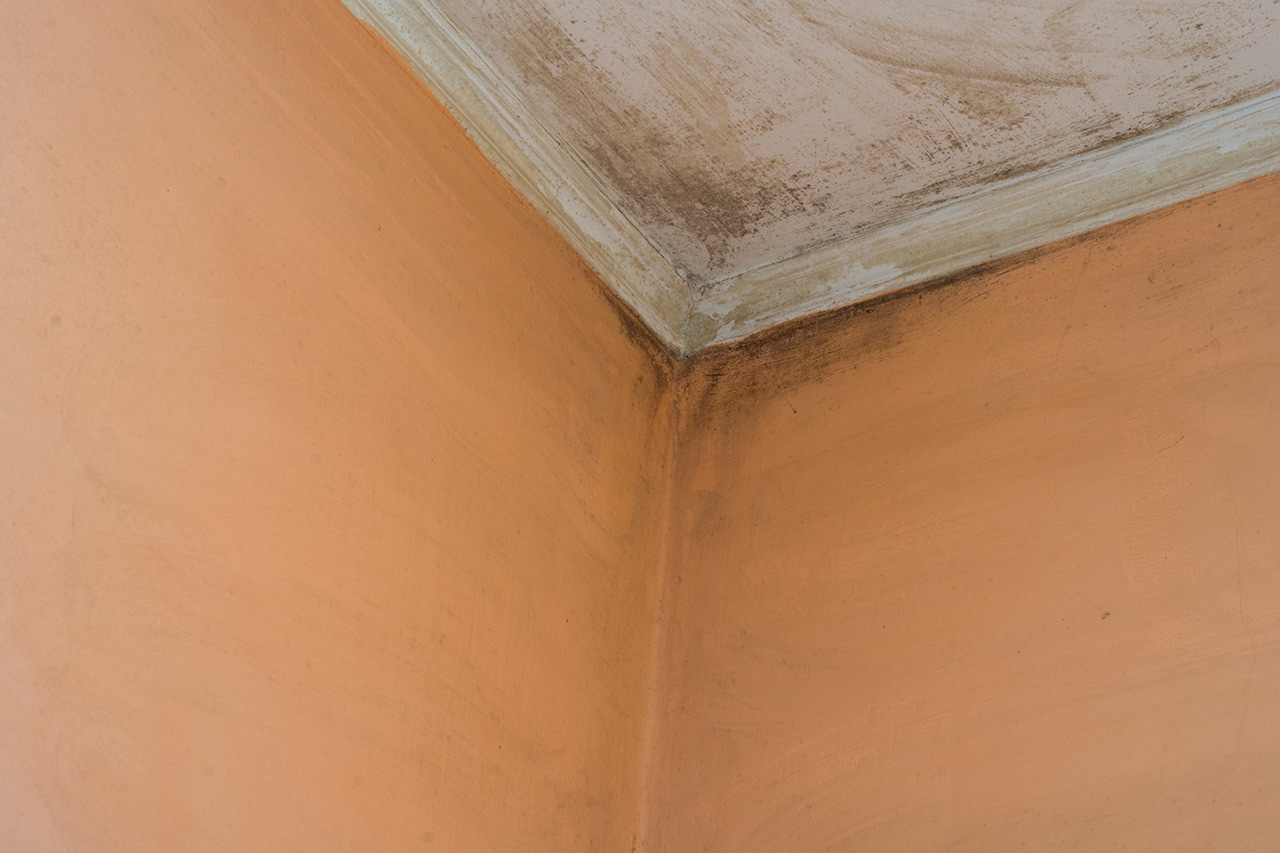
Mould spores are naturally present in indoor environments. However, they only begin to grow when conditions provide enough moisture for a sufficient period of time.
For many properties, high levels of indoor humidity and surface moisture are key factors behind mould growth. Mould does not necessarily need visible liquid water or a leak to develop. When relative humidity around a surface remains sufficiently high, mould spores can begin to grow.
This is why mould is often more noticeable during colder periods of the year. As temperatures fall, some surfaces can become colder than the surrounding air, creating conditions where localised humidity levels are higher. Areas with limited airflow may also be more vulnerable.
Common locations for mould growth include:
- External walls and colder surfaces
- Corners of rooms and behind furniture
- Around windows
- Bathrooms and kitchens
- Bedrooms and other rooms with limited ventilation
- Areas affected by dampness or water ingress
However, the exact cause can vary from property to property. Ventilation, heating, building design, insulation, occupancy, and moisture production can all influence indoor conditions. This is why identifying the underlying cause is an important part of preventing mould from returning.
How To Remove Mould From Walls Safely
Before attempting to clean mould, consider the extent of the problem and whether there may be an underlying damp or moisture issue. Larger or recurring areas of mould may require professional investigation.
If you are cleaning a small area of visible mould, take appropriate precautions:
- Wear suitable protective gloves to avoid direct contact with mould and cleaning products.
- Wear old clothing with long sleeves and wash the clothing after cleaning.
- Ventilate the area where possible, such as by opening windows or doors.
- Avoid inhaling mould spores or cleaning sprays and use suitable respiratory protection where appropriate.
- Follow the manufacturer's instructions for any mould-removal or cleaning product you use.
- Keep vulnerable people away from the area while cleaning, particularly where cleaning products or disturbed mould spores may be present.
Always take care not to create unnecessary airborne dust or disturb affected materials more than necessary.
What To Do if Mould Keeps Coming Back
Cleaning visible mould is only one part of the solution. To reduce the risk of it returning, it is important to address the conditions that allowed it to grow.
Depending on the property, this may involve investigating:
- Indoor humidity levels
- Ventilation and airflow
- Cold surfaces and areas of condensation risk
- Water leaks or other sources of moisture
- Heating patterns
- Building defects or dampness
- The suitability and performance of existing ventilation systems
Simply covering mould with paint or repeatedly applying cleaning products may improve the appearance of a surface temporarily, but recurring mould can indicate that the underlying environmental conditions have not changed.
A proper investigation can help establish why mould is growing in a particular location and what needs to change to reduce the risk of it returning.
Contact Better Indoors for Expert Damp & Mould Surveys
If mould keeps returning after cleaning, or you are unsure what is causing damp or mould growth in your property, an expert survey can help identify the underlying issue.
At Better Indoors, we provide expert damp and mould surveys and solutions designed to address the conditions contributing to mould growth. Our surveys investigate the root cause of the problem, helping property owners and managers make informed decisions about both effective and long-term prevention.
