


Buying or selling a home is already a significant matter, so discovering that a property is located in a radon-affected area can understandably raise questions. If you're unfamiliar with radon testing or what this means for the transaction, it's natural to feel uncertain about what happens next.
The good news is that radon is a common and manageable issue. While increased radon levels can influence property surveys, negotiations, buyer confidence, and, in some cases, property value, they do not have to prevent a successful sale or purchase when handled correctly.
This practical guide explains what buyers and sellers should expect when dealing with radon during a property transaction. From understanding radon risk to the right steps that help keep your sale or purchase moving forward, we'll cover everything you need to know.
Buying or Selling a House in a Radon-Affected Area? Here’s What To Do…
- Don't assume the property has high radon because it's in a radon-affected area
- Check whether recent radon test results are available
- Arrange testing if needed
- Review any mitigation records
- Agree any next steps before completing the transaction
What Does It Mean if a Home Is in a Radon-Affected Area?
A radon-affected area is a part of the UK where the local geology makes it more likely that some properties could have elevated radon levels. Particularly known hotspots include areas like Bath or Cornwall. However, this doesn't mean that every home in the area has a radon problem.
This is an important distinction. A property being located in a radon-affected area simply means there is a greater potential for radon to be present. The only way to know whether a particular home has elevated radon levels is through professional radon testing.
Many buyers first become aware of radon during the conveyancing process. Because environmental searches are usually carried out after an offer has been accepted, radon often isn't identified until several weeks into the transaction. This can come as a surprise, but it's a routine part of the conveyancing process in many parts of the UK.
A buyer's solicitor will typically carry out a CON29R local authority search, which may identify that the property lies within a radon-affected area. In some cases, a surveyor may also recommend radon testing based on the property's location or available environmental information.
Although this may sound concerning at first, it is a common part of property transactions in many parts of the UK. Thousands of homes in radon-affected areas are bought and sold every year, and where elevated radon levels are identified, they can usually be managed through appropriate testing and, if required, straightforward mitigation measures.
Should You Buy a House in a Radon-Affected Area?
You may be wondering whether it's safe to buy a property in a radon-affected area, what additional costs could be involved, or whether the issue will be difficult to resolve.
However, a home being in a radon-affected area is rarely a reason to walk away from a purchase. Even if testing identifies higher radon levels, many properties are bought and sold successfully once appropriate testing and, where necessary, mitigation measures have been completed.
Like damp or outdated electrics, radon is a property issue that should be investigated rather than assumed to be a dealbreaker. Professional testing will establish whether elevated levels are present, while measures such as a dedicated radon mitigation system can often reduce radon concentrations to recommended levels.
The most important step is to base your decision on reliable test results rather than the property's location alone. For many buyers, having clear test results and a plan for managing any elevated radon levels provides far greater certainty than purchasing a property whose radon status is completely unknown.
Radon Testing When Buying a House
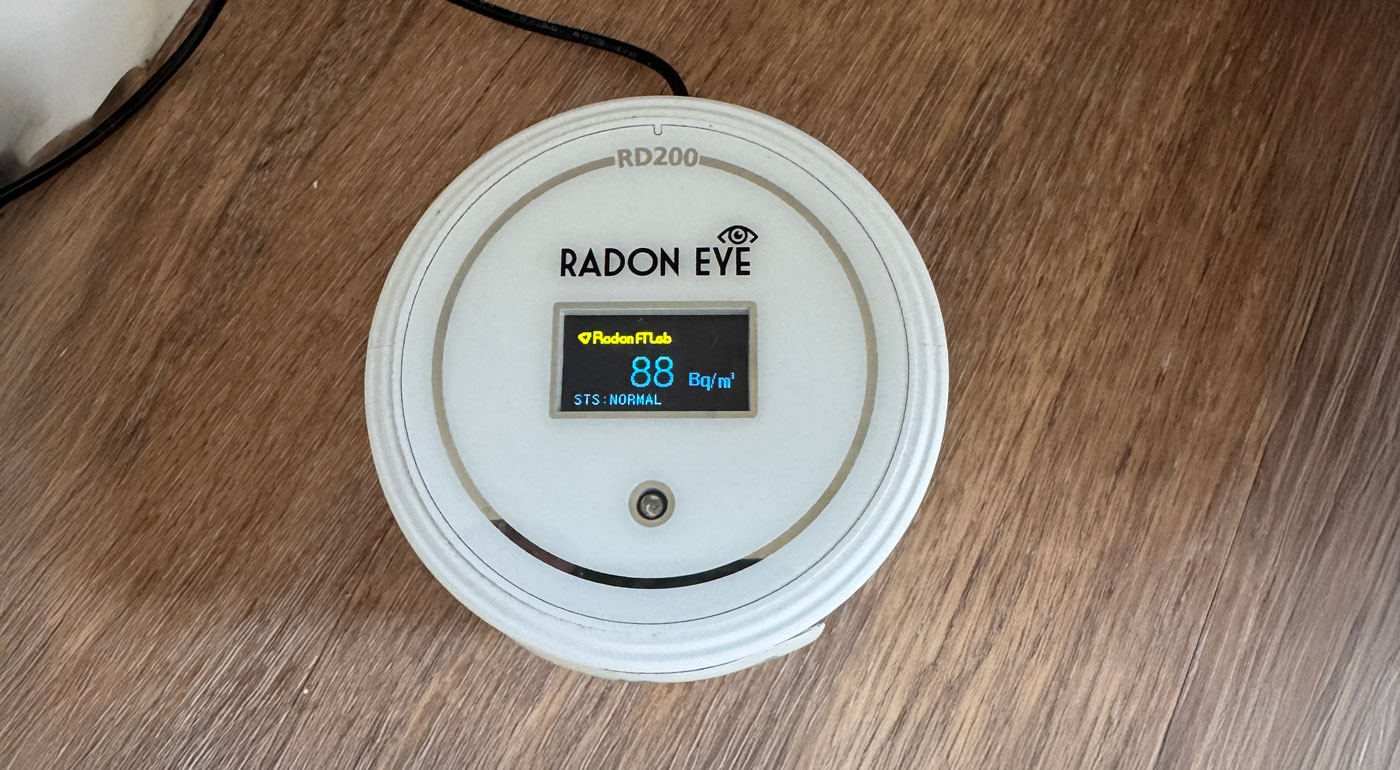
If a property is located in a radon-affected area, it's often sensible to arrange radon testing, particularly if there are no recent test results available. In many cases, the need for testing is identified during conveyancing searches, following a surveyor's recommendation, or through enquiries raised by the buyer.
Testing provides clarity for everyone involved and can help reduce the risk of unexpected questions or delays later in the conveyancing process. Rather than relying on the property's location alone, it confirms whether elevated radon levels are actually present, helping buyers make informed decisions and giving sellers evidence to support the transaction. It can also help avoid unnecessary uncertainty or renegotiations later in the buying process.
What Happens During a Radon Test?
Radon testing is a simple, non-invasive process. Small detectors are placed in the property's main living areas, typically on the ground floor and in regularly occupied rooms, where they remain for the recommended testing period before being analysed.
Short-term or real-time monitoring can provide a quicker indication of radon levels, making it a useful option when buying or selling a property. Longer-term passive testing, typically carried out over three months, provides a more reliable picture of average radon exposure by accounting for natural fluctuations caused by factors such as weather, heating, ventilation, and how the property is used.
The results will confirm whether radon levels are within recommended limits or whether mitigation measures should be considered, giving buyers and sellers the information they need to move forward with confidence.
What Happens if Radon Levels Are High?
A high radon reading (200 Bq/m³ or higher) doesn't usually bring a property transaction to a halt. Instead, it provides buyers and sellers with the information they need to agree on the most appropriate next steps, whether that's carrying out further testing or installing a radon mitigation system.
Once any recommended work has been completed, follow-up testing can confirm that radon levels have been successfully reduced, giving both parties greater confidence as the transaction progresses.
For Buyers
If a radon test identifies elevated levels, ask to review any previous test results, mitigation records, and follow-up reports relating to the property. This will help you understand the property's current radon levels, what action has already been taken, and whether any further work is likely to be needed.
Where mitigation work is recommended, buyers may also wish to discuss how any associated costs will be handled as part of the purchase negotiations.
If a radon mitigation system has been installed, it's also worth checking whether follow-up testing was carried out to confirm that radon levels were successfully reduced. Where no recent test results are available, you may wish to arrange further testing or discuss potential mitigation options before completing the purchase.
For Sellers
If your property has been tested or has undergone radon mitigation, providing clear documentation can help answer buyer questions and reduce uncertainty. Information about previous testing and any mitigation work can also be disclosed as part of the TA6 Property Information Form, helping buyers understand how the issue has been managed.
If you haven't previously tested your property, arranging a radon test before or during the sales process can help address buyer enquiries early and reduce the likelihood of delays or last-minute negotiations. Being open about previous testing or mitigation work also demonstrates that the issue has been managed responsibly, helping buyers move forward with confidence.
What Are Your Options if a Property Has High Radon Levels?
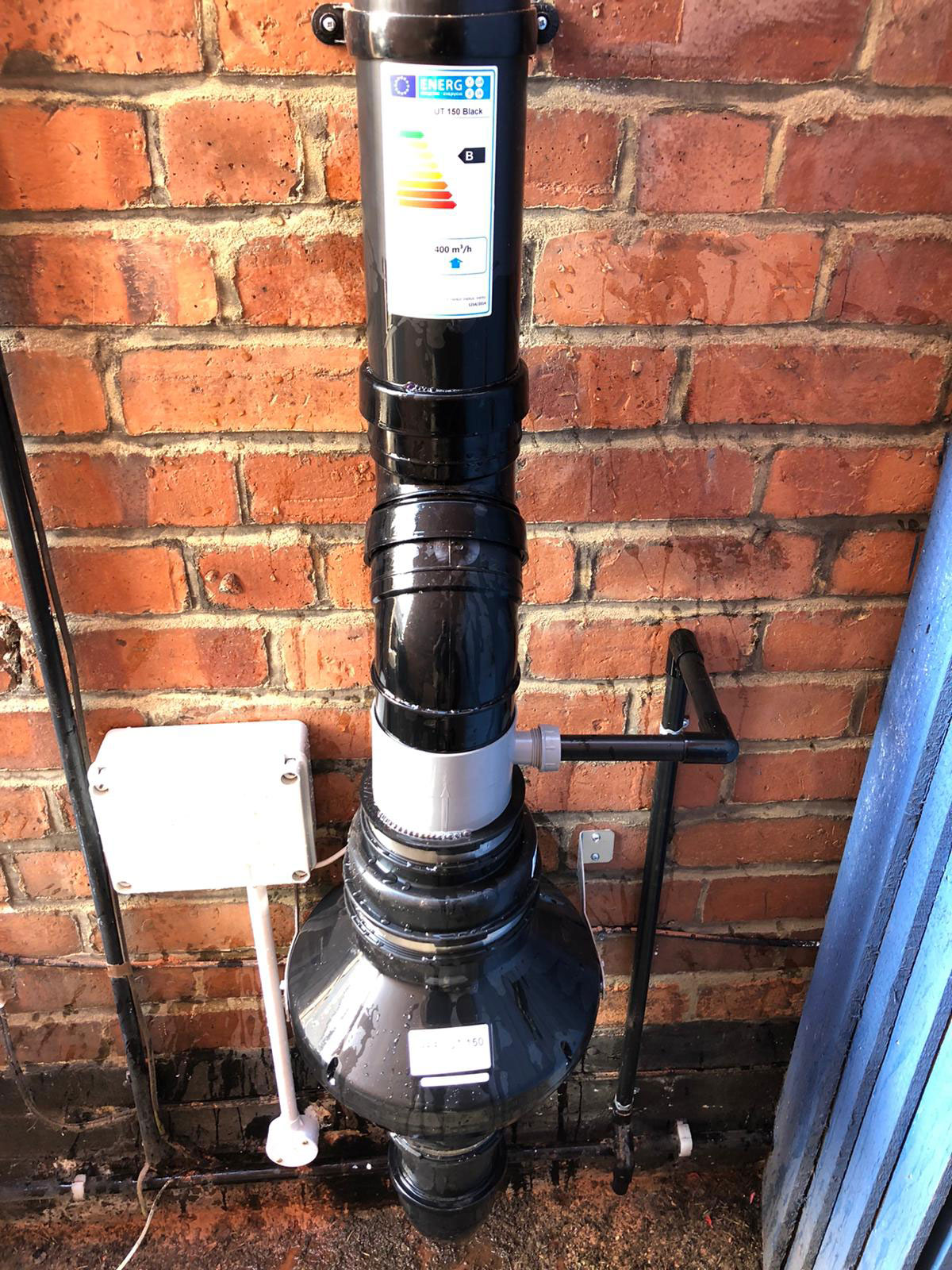
Like many issues identified during a survey, radon can usually be addressed through appropriate remedial work. Understanding what's involved allows buyers and sellers to make informed decisions and agree on the best way to move the transaction forward.
Understanding Radon Mitigation
Radon mitigation systems are designed to reduce the amount of radon entering a property, helping to improve indoor air quality. Depending on the property, this may involve improving underfloor or sub-floor ventilation, increasing airflow within the building, or installing a specialist system that safely redirects radon away from the home.
In many cases, mitigation work can be completed with minimal disruption, and most systems require very little ongoing maintenance once installed.
These solutions are widely used across the UK and are often highly effective when professionally designed and installed. Once mitigation work has been completed, follow-up radon testing is usually recommended to confirm that radon levels have been successfully reduced.
Agreeing Mitigation During the Purchase
If elevated radon levels are identified before the sale is completed, buyers and sellers can usually agree on a practical way forward. In some cases, the seller may choose to complete any recommended mitigation work before completion. Alternatively, the buyer and seller may agree to reflect the cost of any future work in the purchase price or another agreed arrangement.
Where further testing is needed before deciding whether mitigation is required, some transactions use a radon retention (sometimes called a radon bond). This is an agreement where a solicitor temporarily holds part of the purchase funds while testing is completed after the buyer moves in. If mitigation is needed, the retained funds can help cover the agreed costs. Although not used in every transaction, it can be a practical option where both parties want to proceed without waiting for longer-term test results.
What Buyers & Sellers Should Take Away
Discovering that a property is located in a radon-affected area can be an unexpected part of the buying or selling process, but it doesn't have to derail your plans. Many homes in these areas are bought, sold, and safely occupied every year, with testing and, where necessary, mitigation helping buyers and sellers confidently move forward.
The most important thing is to understand the property's actual radon levels rather than relying solely on environmental search results or its location. Professional radon testing provides the clarity needed to make informed decisions, while effective mitigation measures can successfully reduce high radon levels where required.
If you're buying or selling a property and need reliable radon advice, Better Indoors can help. From professional radon testing and real-time monitoring to tailored mitigation solutions, our experienced team can provide the practical support you need to keep your property transaction on the right steps to completion.
FAQs
-
Should I carry out my own radon test when buying a house?
Yes, especially if the property is located in a known radon-affected area or if no recent radon records are available. Even if previous testing has been carried out, buyers may still choose to arrange their own test for additional reassurance before or after moving in.
At Better Indoors, we offer both traditional passive testing and fast real-time radon measurement services depending on the timeframe and level of detail required.
-
Can radon affect my mortgage or home insurance?
In most cases, radon does not prevent buyers from obtaining a mortgage or home insurance. Lenders and insurers are generally more interested in whether the issue has been properly identified and managed.
-
What should I ask the seller if radon has already been identified?
Buyers should ask whether the property has previously been tested, whether any mitigation work has been completed, and whether follow-up testing was carried out afterwards. It can also be useful to request copies of radon reports, mitigation specifications, or maintenance records where available.
-
Should I test for radon before putting my house on the market?
If your property is located in a radon-affected area, arranging testing before listing can help you better understand the property’s radon status before buyers raise questions during conveyancing.
Proactive testing can also help provide reassurance and demonstrate transparency throughout the sales process.
-
Can I sell a house that hasn't been tested for radon?
Yes, there is no legal requirement for every property in a radon-affected area to have been tested before it is sold. However, if no recent radon results are available, buyers may request testing during the conveyancing process or use this as part of their enquiries.
-
Will radon mitigation work reduce the value of my property?
Not necessarily. In many cases, professionally installed mitigation systems can actually help reassure buyers that the issue has already been addressed responsibly. Buyers are often more comfortable with a property that has clear testing and mitigation records than one where the radon status is unknown.
-
How quickly can radon testing and mitigation be arranged during a house sale?
Traditional passive testing can take several months to complete, which is not always practical during conveyancing. However, we also offer professional real-time radon measurement services that provide faster results and property-specific mitigation recommendations where needed. This can help buyers and sellers move forward within tighter transaction timelines.
-
Do standard conveyancing searches review radon levels?
Yes, during the conveyancing process, a buyer's solicitor will usually carry out a CON29R local authority search. This search can identify whether a property is located within a radon-affected area. However, it does not confirm the property's actual radon levels.
-
What is a radon bond or retention?
A radon bond (also known as a radon retention) is an agreement where a solicitor temporarily holds part of the purchase funds while radon testing is completed after the sale. If mitigation work is needed, the retained funds can help cover the agreed costs.
Although not used in every property transaction, it can be a practical solution where buyers and sellers want to proceed without waiting for longer-term test results.
-
How much does radon testing and mitigation cost?
The cost of radon testing and mitigation depends on the property, the type of testing required, and whether any remedial work is needed.
Passive radon testing is generally the most affordable option, while real-time monitoring can provide faster results during a property transaction.
If elevated radon levels are identified, mitigation costs vary depending on the property's construction and the most suitable solution. Our team can recommend the most appropriate approach for your home and provide a tailored quote.
-
Do I have to disclose radon when selling my house?
If you're aware that your property has been tested for radon or has undergone radon mitigation work, you should disclose this information when completing the TA6 Property Information Form. Providing recent test results and details of any mitigation measures can help answer buyer enquiries and support a smoother transaction.
-
Is it safe to live in a house with high radon levels?
High radon levels should be taken seriously, but they do not automatically make a property unsafe to live in. If testing identifies radon above the recommended Action Level, mitigation measures are generally advised to reduce indoor radon concentrations.
Many homes with elevated radon levels continue to be safely occupied once appropriate mitigation has been installed, and follow-up testing confirms that it is working effectively.
