


Condensation on windows is a common problem during the colder months. You may notice water droplets forming on the inside of your windows, particularly in bedrooms, bathrooms, and kitchens.
A small amount of condensation can be normal, but persistent or excessive condensation can indicate that there is too much moisture in the indoor air or that surfaces are becoming too cold. If left unresolved, repeated condensation can contribute to dampness, mould growth, and damage to window frames, walls, and surrounding materials.
The good news is that there are several steps you can take to reduce condensation on windows. However, if condensation is persistent despite your efforts, it is important to investigate the underlying cause rather than simply wiping the windows each morning.
At Better Indoors, we specialise in indoor air quality and ventilation solutions. Our condensation surveys and solutions help identify the factors contributing to excessive indoor moisture and provide practical solutions designed to improve conditions within the property.
What Causes Condensation on Windows in Winter?
Condensation occurs when warm, moisture-laden air comes into contact with a surface that is cold enough for the moisture in the air to condense into water droplets.
This is why condensation is particularly common on windows during winter. The glass can become significantly colder than the air inside the room, increasing the likelihood of condensation forming on the inside of the window.
The amount of moisture in your home also matters. These everyday activities all introduce moisture into the indoor air:
- Cooking
- Showering and bathing
- Drying clothes indoors
- Washing
- Breathing and perspiration
- Using humidifiers
If this moisture is not effectively removed through ventilation, indoor humidity can increase. When humid indoor air reaches a cold window, condensation can occur.
How To Stop Condensation on Windows
1. Reduce Excess Moisture in Your Home
One of the most effective ways to reduce condensation is to limit unnecessary moisture entering the indoor air.
For example:
- Use lids on pans when cooking.
- Avoid drying clothes indoors where possible, or ensure the room is properly ventilated when you do.
- Keep bathroom and kitchen doors closed while generating steam.
- Use your cooker hood or extractor fan when cooking.
- Run your bathroom extractor fan during and after showers.
- If you use a humidifier, check whether you actually need it and avoid excessive humidity.
Reducing moisture at the source makes it easier for your ventilation system to maintain healthier indoor conditions.
2. Use Your Bathroom & Kitchen Extractor Fans
Kitchens and bathrooms generate significant amounts of moisture, so effective extraction is particularly important.
Use your extractor fan when cooking, showering, or bathing, and leave it running for an appropriate period afterwards to help remove residual moisture.
If your extractor fans are noisy, ineffective, or rarely used because they do not appear to remove moisture effectively, it may be worth having your ventilation system assessed.
3. Improve Ventilation
Ventilation removes moisture and other pollutants from indoor air and replaces stale, humid air with fresher air.
Depending on the property, this may involve using existing extractor fans correctly, making use of background ventilation such as trickle vents, or considering whether a more effective ventilation system is required.
Opening windows can provide short-term ventilation, but relying on occupants to continually open windows is not always an effective long-term solution. It may also be impractical during cold weather.
The right ventilation strategy depends on the property, its construction, occupancy, and how moisture is being generated.
4. Keep Rooms Warm
Keeping rooms adequately heated can help reduce the likelihood of condensation by keeping surfaces warmer.
Large differences in temperature between rooms can also increase the risk of condensation in colder areas. Where possible, aim for a reasonably consistent indoor temperature rather than allowing some rooms to become very cold.
However, heating alone does not remove moisture from the air. If indoor humidity remains high, condensation can still occur even in a well-heated property.
5. Improve Air Circulation
Poor air circulation can contribute to localised areas of high humidity and cold surfaces.
Avoid placing large items of furniture directly against cold external walls where possible, and allow air to circulate around rooms.
Keeping curtains and blinds positioned in a way that allows warm air to reach the window can also help reduce cold spots.
6. Wipe Away Excess Condensation
If condensation does form, wipe excess water from windows and surrounding surfaces rather than allowing it to remain.
Pay particular attention to window frames and other areas around the window where moisture could accumulate.
However, wiping condensation away only deals with the water that has already formed. If windows are repeatedly covered in condensation, it is important to understand why it is happening.
7. Consider Your Indoor Humidity
A hygrometer can be useful for monitoring relative humidity inside your home.
If humidity levels are consistently high, this can indicate that moisture is being generated faster than it is being removed. Persistent high humidity can also increase the risk of condensation and mould growth.
Monitoring humidity can therefore help you understand whether excess moisture may be contributing to your condensation problem.
8. Don't Rely on Anti-Condensation Products Alone
There are many products marketed as solutions for condensation, including moisture absorbers, anti-condensation paints and dehumidifiers.
These products may have a role in some circumstances, but they should not automatically be treated as a permanent solution.
For example, a dehumidifier can remove moisture from indoor air, but it does not necessarily address why excessive moisture is accumulating in the first place. Similarly, painting over a condensation-prone surface does not remove the underlying moisture problem.
If condensation is persistent, investigating the cause is often more useful than repeatedly treating its effects.
Why Does Condensation Get Worse in Winter?
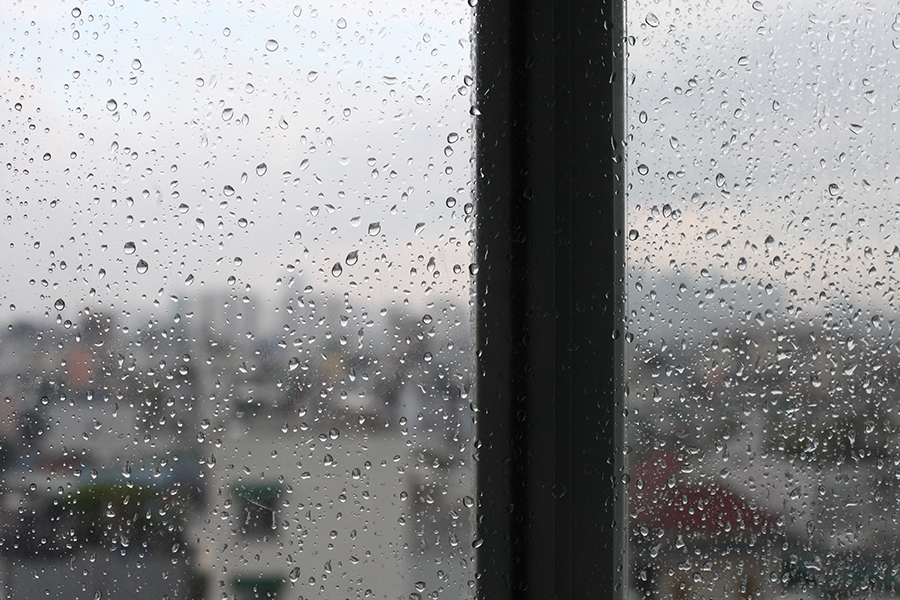
Condensation is often more noticeable during winter because windows and other external surfaces become colder.
Cold outdoor temperatures can significantly reduce the temperature of window glass. When warm, humid indoor air comes into contact with the colder glass, the air can reach its dew point and water vapour condenses on the surface.
This is why you may wake up to condensation on bedroom windows even though there was no obvious source of water overnight.
If the same conditions occur repeatedly, the moisture can begin to affect surrounding materials and may contribute to mould growth.
Can Condensation on Windows Cause Mould?
Yes, persistent condensation can contribute to mould growth.
Repeated moisture on window frames, reveals, walls and other nearby surfaces can create conditions that support mould growth, particularly where surfaces remain damp for prolonged periods.
If you are regularly wiping condensation from your windows and starting to notice black mould around the frames, seals, or surrounding walls, it is worth investigating the underlying moisture and ventilation conditions.
Cleaning the visible mould may improve the appearance temporarily, but recurring mould can indicate that the environmental conditions supporting its growth have not been resolved.
When Should You Get Professional Help?
Occasional condensation on windows during cold weather does not necessarily mean there is a serious problem with your property.
However, professional advice may be worthwhile if:
- Condensation is excessive or occurs throughout the property.
- Windows are wet every morning despite your efforts to reduce moisture.
- You regularly find mould around windows or on surrounding walls.
- Rooms feel persistently damp or humid.
- Condensation occurs alongside other signs of dampness.
- Extractor fans or other ventilation systems do not appear to be working effectively.
- You have tried reducing moisture and improving ventilation, but the problem continues.
A professional assessment can help determine whether the issue is primarily related to indoor humidity, ventilation, cold surfaces, building characteristics, or another underlying factor.
Get Expert Help With Condensation
Persistent condensation is more than an inconvenience. If excessive moisture is repeatedly accumulating inside your property, it is important to understand why.
At Better Indoors, we provide expert condensation surveys and indoor air quality solutions to help identify the factors contributing to condensation and excessive indoor moisture.
Rather than simply treating the visible water on your windows, we investigate the conditions within the property and help identify appropriate long-term solutions.
